
Yoga & Neo-humanistic Education Research and Training Center
Jagriti Bhawan, Amtal, Kashijharia, Chas, Bokaro, Jharkhand - 827013
Registered under Jharkhand Society Act XXI-1860 | Reg No: 171/2014-15


Jagriti Bhawan, Amtal, Kashijharia, Chas, Bokaro, Jharkhand - 827013
Registered under Jharkhand Society Act XXI-1860 | Reg No: 171/2014-15
Yoga & Neo-humanistic Education Research and Training Center is inspired by the ideals of Ananda Marga and Neohumanist Education, a philosophy that nurtures universal love, moral strength, spiritual awareness and all-round human development.
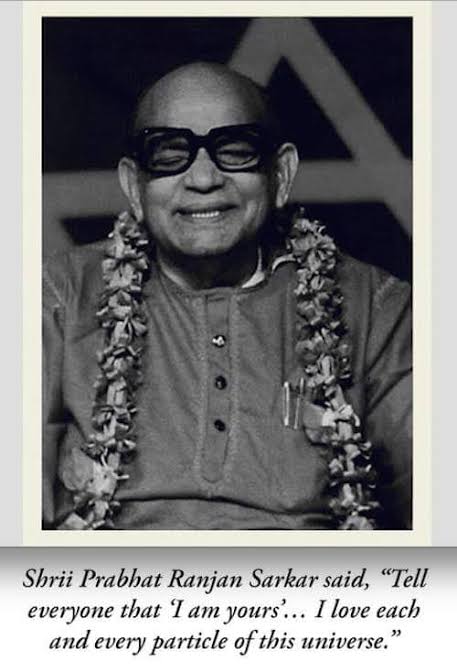
“Tell everyone that I am yours… I love each and every particle of this universe.”
Shrii Shrii Anandamurti Ji, the founder of Ananda Marga, gave a universal vision of education rooted in love, service, morality and spiritual awakening. His philosophy of Neohumanism teaches the innate oneness of all existence and inspires an education system that develops the body, mind and spirit together.
Neohumanist Education is based on the understanding that all beings are interconnected. It teaches children to develop love and respect for all, irrespective of culture, religion, race or nationality, and to cultivate care for animals, plants and the natural environment.
The study of the “web of life” helps students realize the deep relationship between self, society and nature. This approach creates not only educated individuals, but compassionate, balanced and responsible human beings.
In this system, education is not limited to academic success alone. It is a path of all-round liberation: physical, psychic and spiritual.
The goal is to awaken the complete potential of every child and guide them towards a life of wisdom, service, strength and universal love.
To develop the full potential of each child physically, mentally and spiritually.
To awaken a thirst for knowledge and a joyful attitude toward learning.
To equip students with the academic and practical skills needed for higher education and life.
To promote morality, integrity, self-confidence, discipline and cooperation.
To strengthen health and mental balance through yoga, concentration, sports and play.
To cultivate appreciation of beauty, culture, drama, dance, music and art.
To encourage students to become active, responsible and service-minded members of society.
To build deep respect and care for nature and all living beings.
To free the mind from discrimination based on religion, race, creed or gender.
To recognize the vital importance of teachers and parents in setting a living example.
This educational philosophy brings together moral values, spiritual insight, creativity, science and social responsibility in one integrated system.
Education should nourish the body, senses, intellect, imagination, intuition and spirit. It develops not only knowledge, but also the process of thinking, creativity and inner growth.
Universal moral values are the foundation of balanced individuals and harmonious society. Students learn through reflection, cooperation, discussion, role modeling and service.
The universe is an integrated whole. Education should help students experience connection with self, others and all life, and discover the deeper meaning of existence.
Learning should not be fragmented. Students should explore the world through active, multi-disciplinary and multi-sensory experiences that awaken curiosity and joy.
Beauty in music, art, literature and life elevates the human mind. Aesthetic awareness deepens intuition, empathy and universal love.
Students should value local language and culture while simultaneously developing a broad, universal outlook that embraces all humanity and all life.
Environmental education should create not only responsibility but also a living relationship with the natural world and the web of life.
Teachers must embody integrity, compassion, discipline, wisdom and service. Their living example shapes the future of the child.
Education should awaken compassion and the desire to serve others, making children see learning as a sacred responsibility, not a privilege.
Education must inspire awareness of social problems and equip students with the courage and skills to bring positive change to society.
Neohumanist Education uses a practical and balanced methodology to develop physical, cognitive, moral, creative, spiritual and social capacities.
Proper diet, yoga asanas, hygiene, games, dance, crafts, sensory exercises, safety practices and healthy habits are encouraged for physical growth and discipline.
Analytical study, problem-solving, experimentation, concentration, visualization, memory training and rational thinking help sharpen the intellect.
Stories, songs, dramas, ethical lessons, teacher example, conflict resolution and cooperative learning help build character and morality.
Art, music, theatre, modelling, fantasy, storytelling, visualization and lateral thinking foster imagination and creative expression.
Music, song, dance, concentration, quiet time, deep breathing, nature awareness and spiritual stories develop intuition and spiritual sensitivity.
Service projects, social justice awareness, leadership training, school duties, environmental campaigns and community interaction foster responsibility and service.
The role of teachers is of paramount importance because they shape the minds, values and aspirations of the next generation. In Neohumanist Education, teachers are not merely instructors; they are guides, role models, friends and moral leaders.